

From Waste to Wisdom – An Interview with Reverse Garbage CEO Kirsten Junor
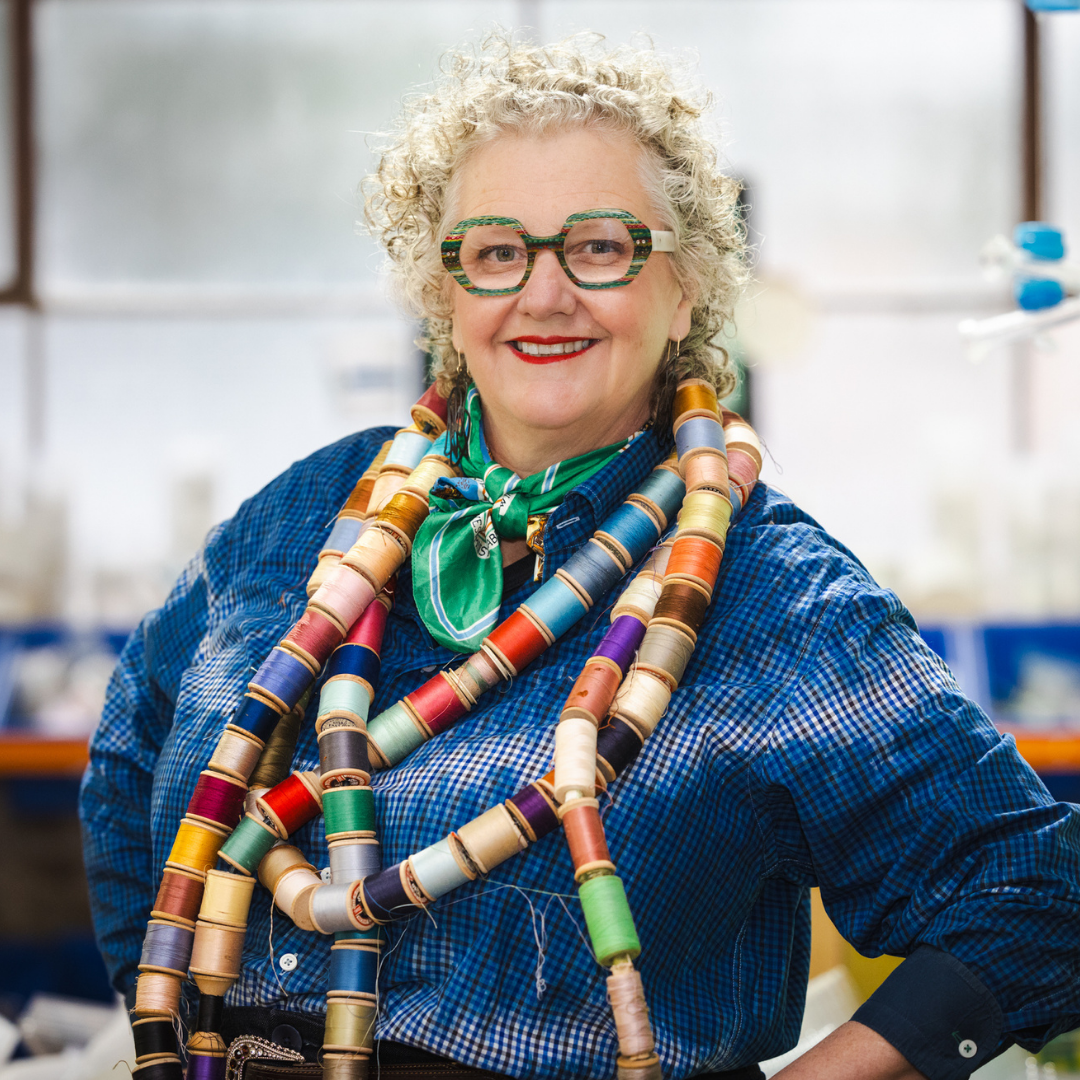
In the first installment of our “Reuse Revolution” series, Jones King speaks with Kirsten Junor, Reverse Garbage’s fearless leader, to explore the latest Charitable Reuse Australia and NSW EPA Impact study. Kirsten breaks down the numbers and discusses the power of reuse, creative solutions, and how RG is leading the way in the Circular Economy.
Thanks to reuse organisations like Reverse Garbage, nearly 50,000 tonnes of products were saved from landfill in 2022-2023 in NSW alone. How does Reverse Garbage contribute to this impressive figure?
It is impressive isn’t it – and only just recently been measured through the Charitable Reuse Australia and NSW EPA Impact study. While RG knew intuitively that we have an impact, it’s only through collecting the data and it being analysed that we can back up those instincts! As a sector we do have a huge impact – that’s what we are all about educating about reuse, encouraging creative thinking around discarded products and keeping as much out of landfill for as long as possible. What we do that is hugely different from your traditional op shop is rescue materials from industry and light manufacturing meaning we can provide unique materials for reuse you can’t source anywhere else. This also means we have a great range of materials to use in our education programs – materials you don’t normally see they are great conversation starters.
An estimated 321,000 tonnes of CO2 emissions were saved in NSW in 2022-2023 by reducing the need for new products. How does Reverse Garbage encourage communities to reuse, repair and repurpose?
We were founded by teachers that were using reuse materials in their classrooms and education is at the core of all we still do. Advocating for reuse and its place in the waste hierarchy to all, whether through our school visits our corporate workshops or our monthly on-site repair and mending sessions.
How does Reverse Garbage’s mission create change in the waste hierarchy by encouraging artists embrace a more sustainable art practice?
I think artists have always had to create on a shoestring budget so are already in-tune to working like this. What RG does provide are the resources that are not only budget friendly and sustainable they are also wonderfully unique – meaning that their own practice is informed by these unique materials.

How does Reverse Garbage help shift consumer perspectives on discarded materials and waste to being viewed as resources that will help save money and the environment?
Social media has helped with the reuse message as we are able to talk to a larger audience around the difference between reuse and recycling and the social, environmental and economic benefits of reuse over recycling. Mind you, the teachers that founded RG know this difference and we have always spoken about reuse, they were ahead of the times. Recycling has been seen as the fix-it solution – while it has its part reduce- reuse- repair is up the top. We can’t recycle our way out of this mess. Not to mention slowing down consumption. This is a big question! I need many pages to rant here!!!
How does Reverse Garbage support families during peak consumption times, like Christmas, while encouraging sustainable practices?
Not only are we able to offer budget and sustainably friendly materials at celebration times we are able to offer a sustainable option for reuse when people no longer need or can store their decorations.
As CEO, what do you envision will be Reverse Garbage’s positive contribution to the circular economy over the next decade?
The one positive contribution I would like to make is for reuse to be at the forefront of people’s minds. It’s this change of language, that everything can be solved by recycling, reuse is different and what we all need to be thinking about in our everyday lives. There is much academic talk and government talk (not much action though in my books) about the Circular Economy and how it will work to solve environmental problems. RG has the ability to show reuse in action and educate directly in understandable language the benefits of reuse. I encourage everyone to think not only about the planetary resources that go into making something you purchase but also the human resources that go into farming, resourcing, making, transporting everything you touch. I hope that asking people to think differently or mindfully about their belongings and future purchases will help them to live more sustainable way of life. We can’t do everything perfectly, but we can make changes for good.
Interview and photos by Jones King